PANCHAMUKHA HANUMAN: THE ETERNAL GUARDIAN OF BALANCE & DHARMA
How does one deity embody the essence of courage, wisdom, strength, and devotion all at once? What lessons can we derive from an immortal being who represents mastery over the elements, transcendence of senses, and the eternal fight against injustice? In an age where humanity seeks balance amidst chaos, can the five faces of Lord Hanuman offer a roadmap to inner and outer harmony?
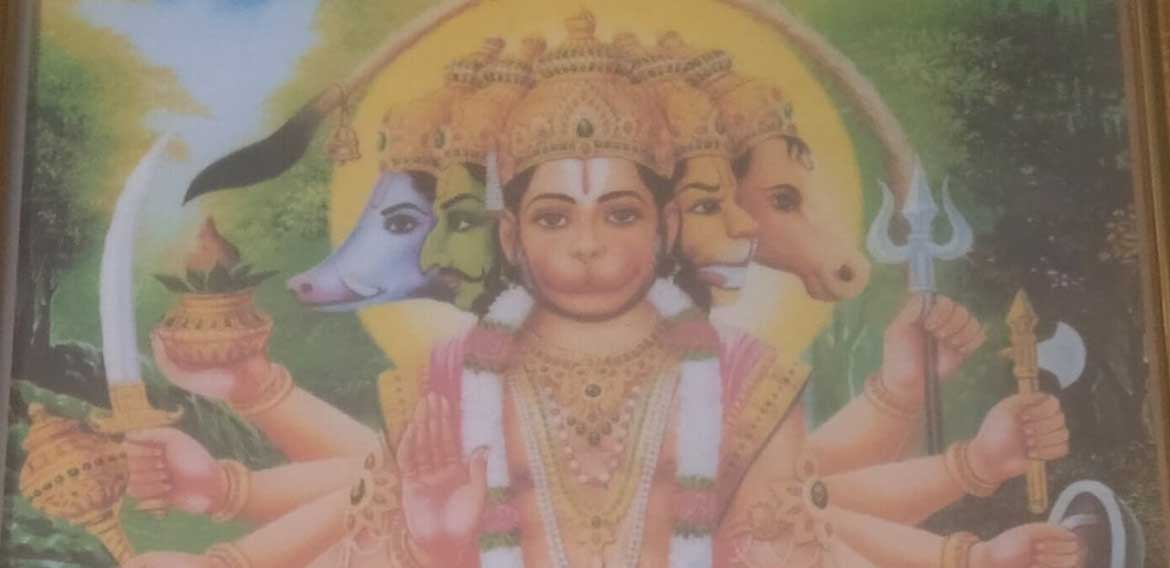
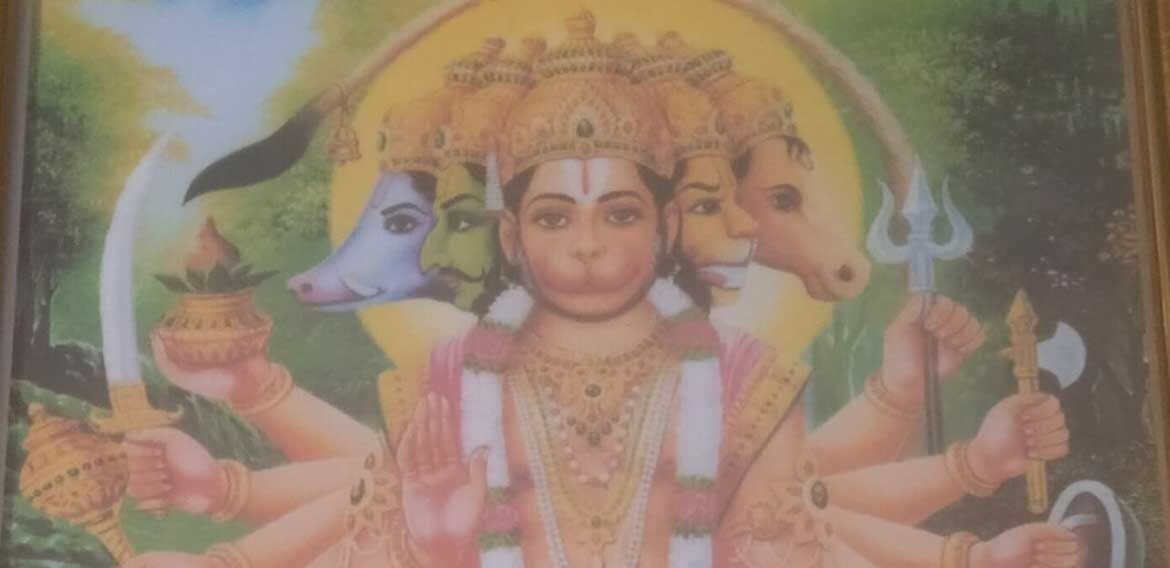
The Panchamukha form of Lord Hanuman is not merely a depiction of his divine might but a profound symbol of spiritual wisdom and cosmic alignment. From protecting the vulnerable to mastering the five elements, Hanuman’s five faces —Hanuman, Narasimha, Garuda, Varaha, and Hayagriva — are metaphors for qualities that transcend time and space.
This article delves into the rich symbolism of Panchamukha Hanuman, exploring how his five faces embody universal principles of balance, protection, and spiritual transcendence. It reflects on the relevance of his form in today’s world and uncovers the hidden wisdom that can inspire us to live a life of courage, devotion, and harmony.
The five faces of Lord Hanuman, or Panchamukha Anjaneya, are inspired by deep spiritual and philosophical symbolism rooted in Hindu scriptures, metaphysics, and mythology. This intricate representation serves as a reflection of universal principles, cosmic energies, and spiritual wisdom. Here are the key inspirations behind the five-faced symbolism:
- Mastery Over the Five Elements (Pancha Mahabhutas):
The five faces symbolize Hanuman’s command over the five fundamental elements — earth, water, fire, air, and sky (ether). These elements are the building blocks of the physical and metaphysical universe, and mastering them is essential for spiritual growth and balance. The association of each face with a particular element underscores Hanuman’s role as a divine being who transcends physical limitations.
- Hanuman (Air): Represents life force and purity.
- Narasimha (Fire): Symbolizes energy, transformation, and courage.
- Garuda (Sky): Reflects freedom, transcendence, and wisdom.
- Varaha (Earth): Embodies stability, prosperity, and grounding.
- Hayagriva (Water): Denotes adaptability, knowledge, and spiritual nourishment.
- Representing the Five Pranas (Vital Life Forces)
In yogic philosophy, the five faces correspond to the five vital life forces that sustain the human body and mind:
- Prana (Life Energy): Governs inhalation and the breath of life.
- Apana (Elimination Energy): Responsible for excretion and grounding.
- Vyana (Circulation Energy): Regulates the flow of energy through the body.
- Udana (Ascension Energy): Supports upward movements and higher awareness.
- Samana (Assimilation Energy): Aids digestion and equilibrium.
Hanuman’s Panchamukha form symbolizes complete mastery over these energies, making him the ultimate yogi and spiritual guide.
- Guardianship of the Five Directions
The five faces represent Hanuman’s vigilance and protection in the five cardinal directions:
- East: Hanuman (removal of sins and mental clarity).
- South: Narasimha (defense against enemies and fear).
- West: Garuda (protection from evil spirits and toxins).
- North: Varaha (stability and planetary protection).
- Upward: Hayagriva (intellectual and spiritual growth).
This guardianship reinforces Hanuman’s role as the eternal protector of dharma, ensuring harmony in all realms.
- Fusion of Vishnu & Shiva Energies
The Panchamukha form combines the attributes of Lord Vishnu’s avatars (Narasimha, Garuda, Varaha, Hayagriva) and Lord Shiva’s essence (Hanuman as a Rudra Avatar). This synthesis symbolizes the integration of preservation, creation, and destruction — necessary for universal balance. It showcases Hanuman’s unique role as a bridge between the powers of Vishnu and Shiva, making him a complete and all-encompassing deity.
- Metaphor for Transcendence of Senses (Pancha Indriyas)
In Hindu philosophy, the human experience is shaped by the five senses — sight, hearing, touch, taste, and smell. The five faces of Hanuman represent the transcendence of these sensory limitations, emphasizing his spiritual mastery. By transcending the senses, Hanuman exemplifies the path to liberation and enlightenment.
- Inspiration from Ramayana’s Sundara Kanda
In the Sundara Kanda of the Ramayana, Hanuman’s exploits in Lanka showcase his divine abilities and multifaceted nature. His courage (Narasimha), wisdom (Hayagriva), swiftness (Garuda), strength (Varaha), and purity (Hanuman) emerge vividly in his mission to serve Lord Ram and rescue Sita. The Panchamukha form consolidates these qualities into one unified symbol of devotion and power.
- Philosophical Depth in Tantra & Yoga
In tantric texts such as the Hanumath Prakaranam in Sri Vidyarnava-Tantra, the Panchamukha form is associated with advanced yogic and mystical practices. The five faces are seen as representing divine consciousness, with each face symbolizing a unique aspect of spiritual awakening and self-realization.
- Hanuman: Devotion and service.
- Narasimha: Protection and courage.
- Garuda: Liberation from ignorance.
- Varaha: Grounding and prosperity.
- Hayagriva: Knowledge and wisdom.
- Connection to Cosmic Order
The five faces also signify Hanuman’s alignment with cosmic forces and his role in maintaining Rta (cosmic order). By embodying these faces, Hanuman becomes a symbol of harmony in the universe, balancing the forces of creation, destruction, and preservation.
Final Thoughts: The Infinite Wisdom of Panchamukha Hanuman
The five-faced form of Lord Hanuman is not just an artistic or mythological depiction; it is a profound spiritual and philosophical construct that teaches us the importance of balance, courage, wisdom, and devotion. In mastering the elements, transcending the senses, and serving as a guardian of all directions, Panchamukha Hanuman inspires us to seek inner harmony and align with universal truths.
As we ponder Hanuman’s five faces, the question remains: how can we channel these energies in our daily lives to rise above challenges and live with purpose? Can we emulate Hanuman’s mastery over the elements and senses to become guardians of our own dharma?
© Case Veda. All Rights Reserved.