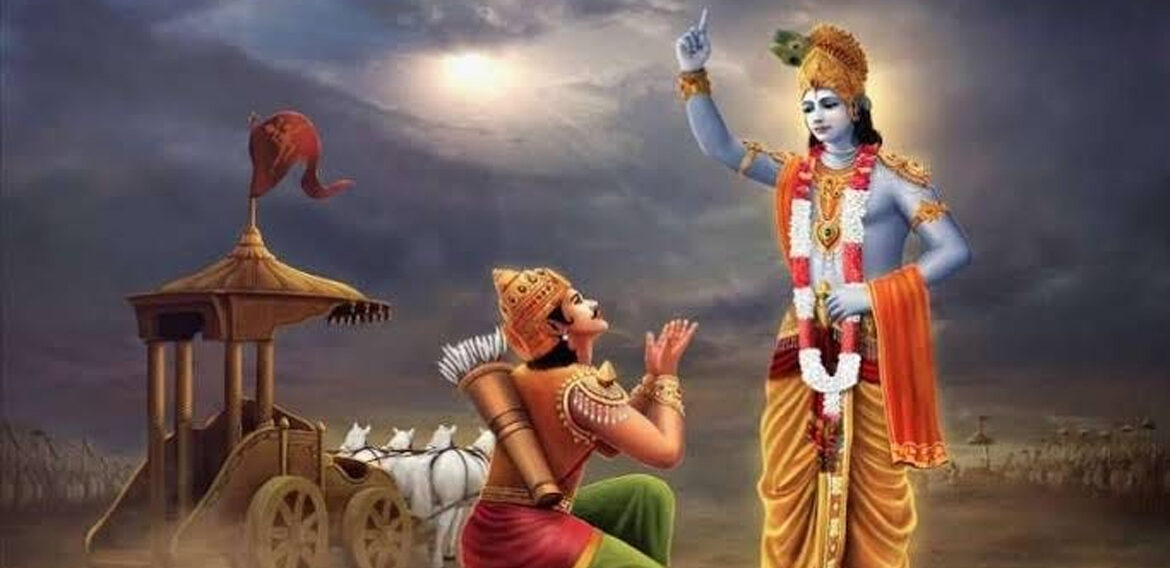
NAVIGATING THE ART OF DIPLOMACY: TIMELESS LESSONS FROM LORD KRISHNA
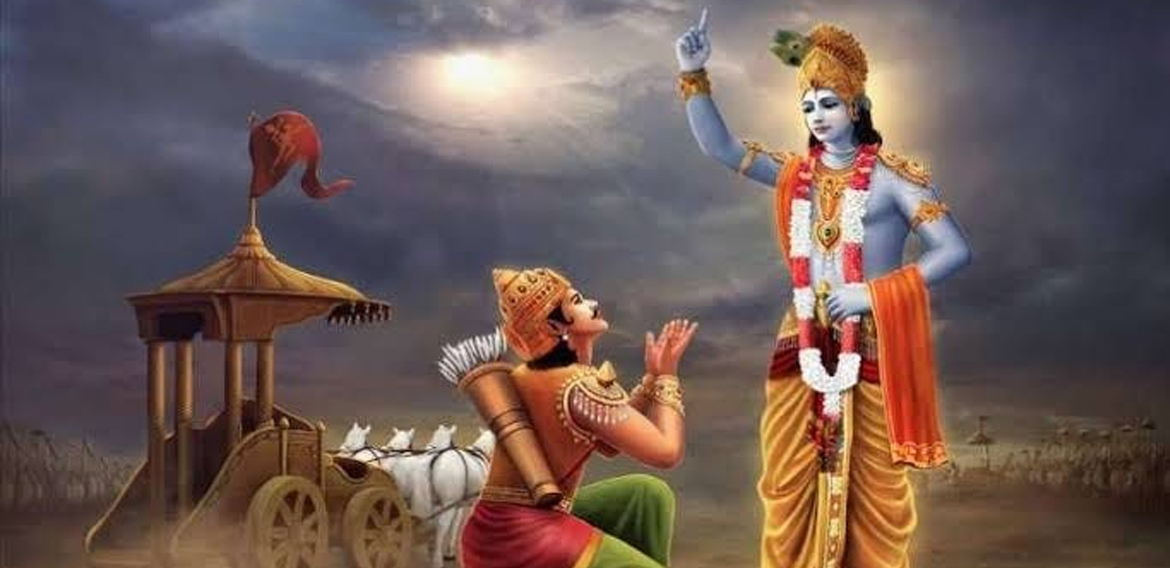
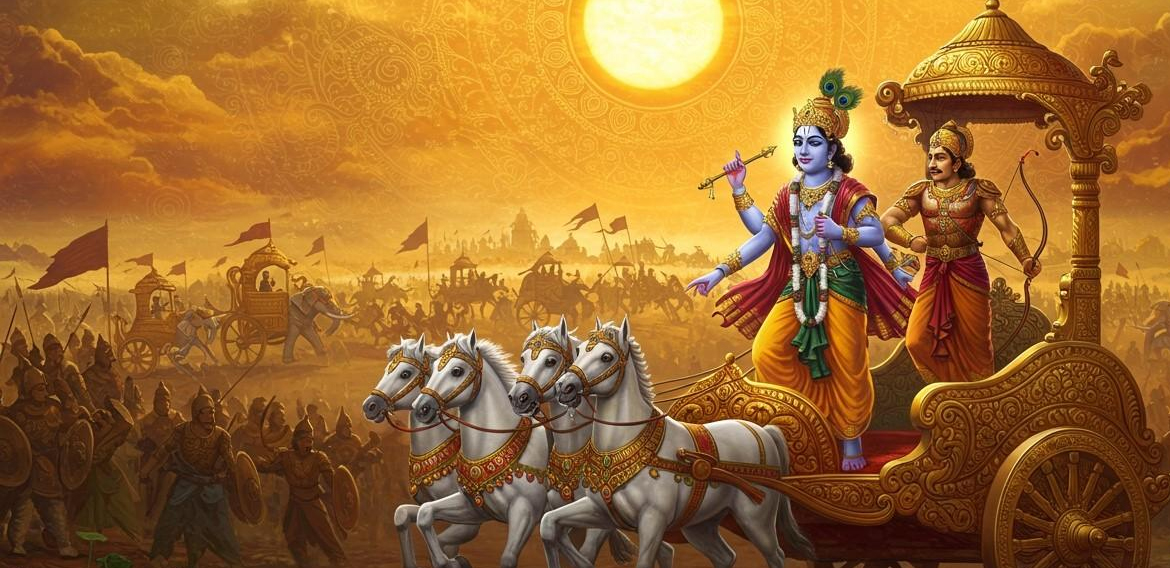
What does it take to be a true diplomat? Is it the art of persuasion, the strength to stand firm, or the wisdom to know when to adapt? Modern diplomacy is intricate and complex, yet many of the principles remain timeless. If we look back over millennia to the Mahabharata, Lord Krishna emerges as a master of diplomacy, weaving strategic decisions that balanced ethics with pragmatism. How can today’s diplomats, policymakers, and leaders harness Krishna’s approach to secure lasting peace and cooperation?
Diplomatic Lessons from Lord Krishna for Modern Diplomats
Applying Lord Krishna’s diplomatic lessons to today’s world can empower leaders in international relations, peacebuilding, and organizational management. Here’s how:
- Patience & Timing: Diplomats can benefit from Krishna’s strategic patience, like waiting for favorable conditions before enacting critical policies, such as sanctions.
- Alliance-Building: Just as Krishna built coalitions, modern leaders can foster alliances to tackle global issues, such as climate change or cybersecurity threats, pooling resources and influence for greater impact.
- Ethical Leadership: Prioritizing ethics over mere power gains, like Krishna did, can lead to sustainable outcomes in peace treaties and policy decisions.
- Clear Communication: Transparent motives build trust in international relations, as seen when leaders honestly communicate their intentions on global platforms.
- Flexibility & Adaptability: Krishna’s cultural awareness and situational sensitivity underscore the importance of adapting diplomatic approaches based on different cultural contexts and nations’ unique needs.
- Neutral Mediation: Serving as neutral mediators in conflicts, like Krishna did for the Pandavas and Kauravas, countries like India can play crucial roles in peacekeeping across diverse regions.
- Embracing Soft Power: Krishna’s preference for persuasion over violence highlights the importance of using soft power tools — such as cultural diplomacy, educational exchange, and economic incentives — to achieve diplomatic goals.
These principles encourage a balance between firm ethics and pragmatic actions in diplomacy, guiding modern leaders to create more peaceful, equitable, and cooperative global relationships.
Final Thoughts
As the world grapples with rising tensions, cultural divides, and shifting alliances, Krishna’s lessons remind us that diplomacy is as much about patience and principles as it is about strategy and influence. Can today’s leaders create coalitions with the same foresight? Will they use power responsibly to unify rather than divide? The ultimate question remains — can modern diplomacy truly capture Krishna’s balance of wisdom, ethics, and adaptability to build a more peaceful world?
© Case Veda. All Rights Reserved.