KUNTI’S DILEMMA & INDIA’S NEUTRALITY: A STRATEGIC PARALLEL IN GLOBAL CONFLICTS
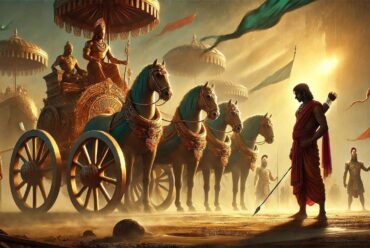
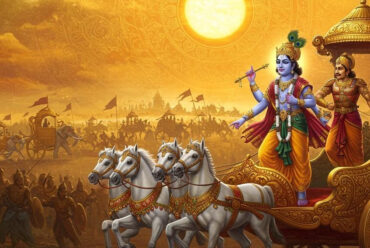
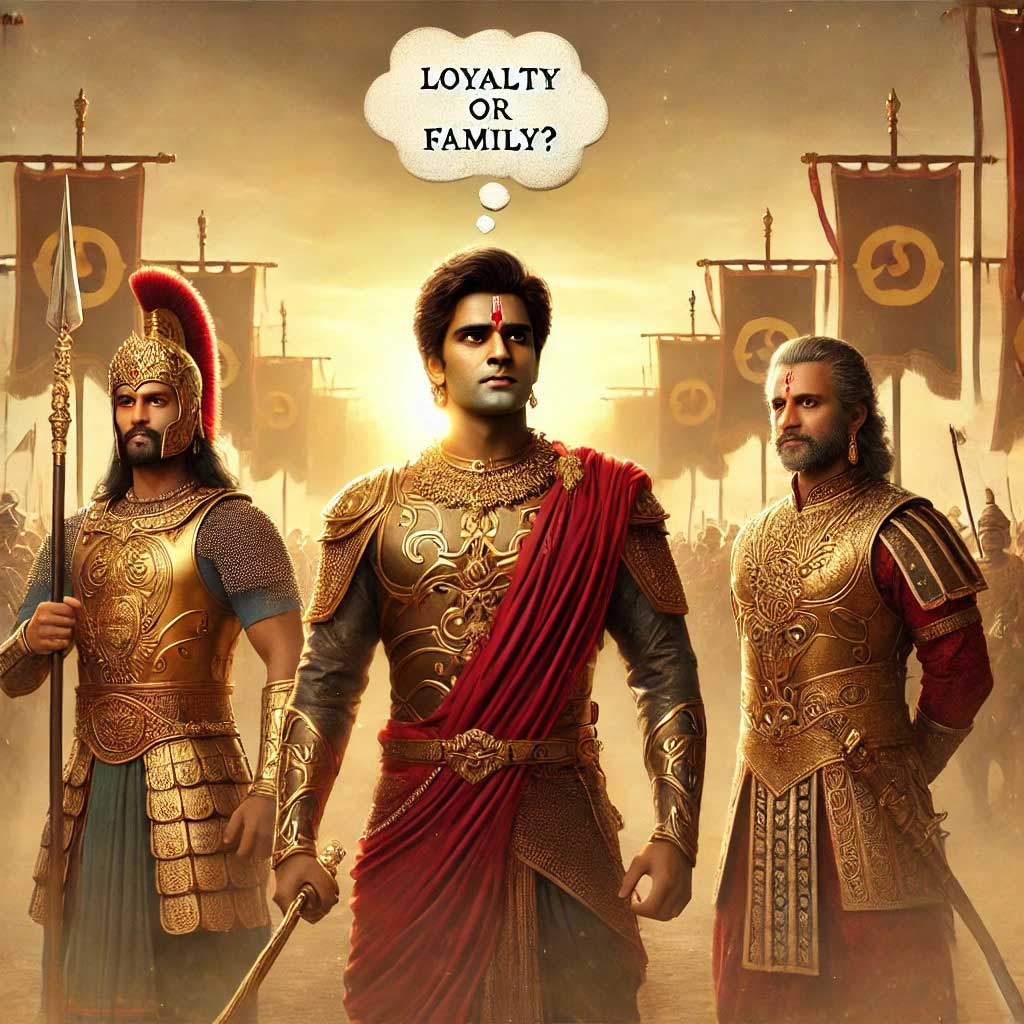
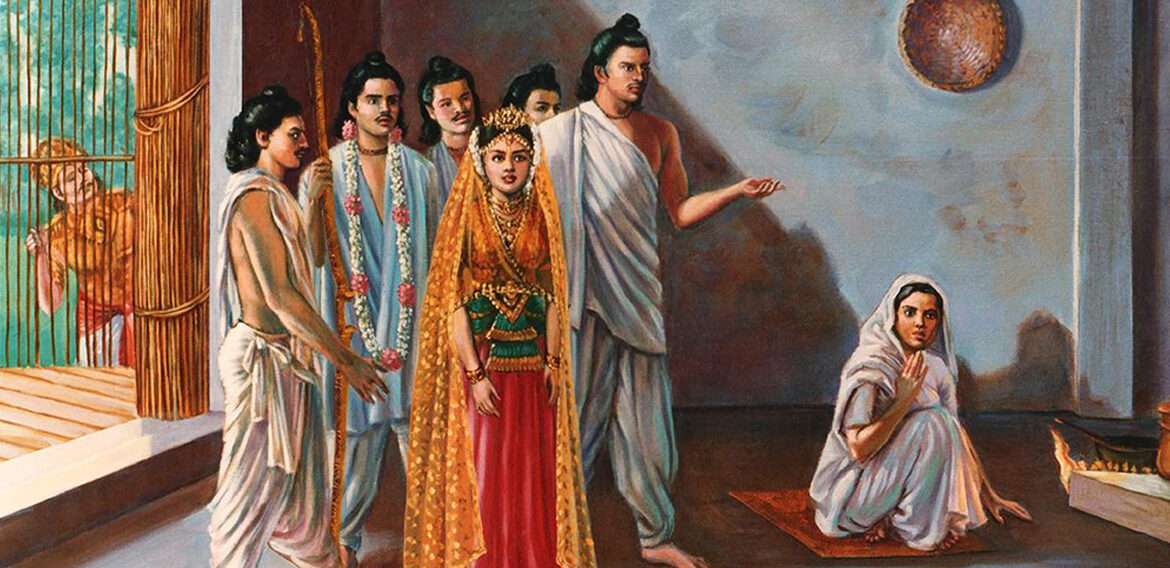
In the midst of a raging war, how does one maintain neutrality? Can one remain loyal to family, friendships, and alliances without taking sides in an irreparable conflict? In the Mahabharata, when the Pandavas and Kauravas stood at the brink of the Kurukshetra war, Kunti, the mother of the Pandavas, found herself in an excruciating position. Although she was bound by blood to the Pandavas, she had deep ties with the Kauravas, having raised them under the same roof in Hastinapur. She did not align herself overtly with either side, reflecting a stance of neutrality. How is this ancient conundrum echoed today in India’s geopolitical stance on global conflicts such as the Russia-Ukraine war and the Israel-Iran tensions?
Is neutrality in times of war a reflection of indecision, or is it a calculated act of diplomacy? Can it foster peace and stability, or does it risk alienating allies and partners on both sides? As the world watches India’s delicate diplomatic balancing act between Russia and Ukraine, as well as Israel and Iran, is it possible that India’s foreign policy is shaped by the same deep wisdom and strategic considerations that guided Kunti in the Mahabharata?
Kunti’s Neutrality in Kurukshetra: The Weight of Ties & Duty
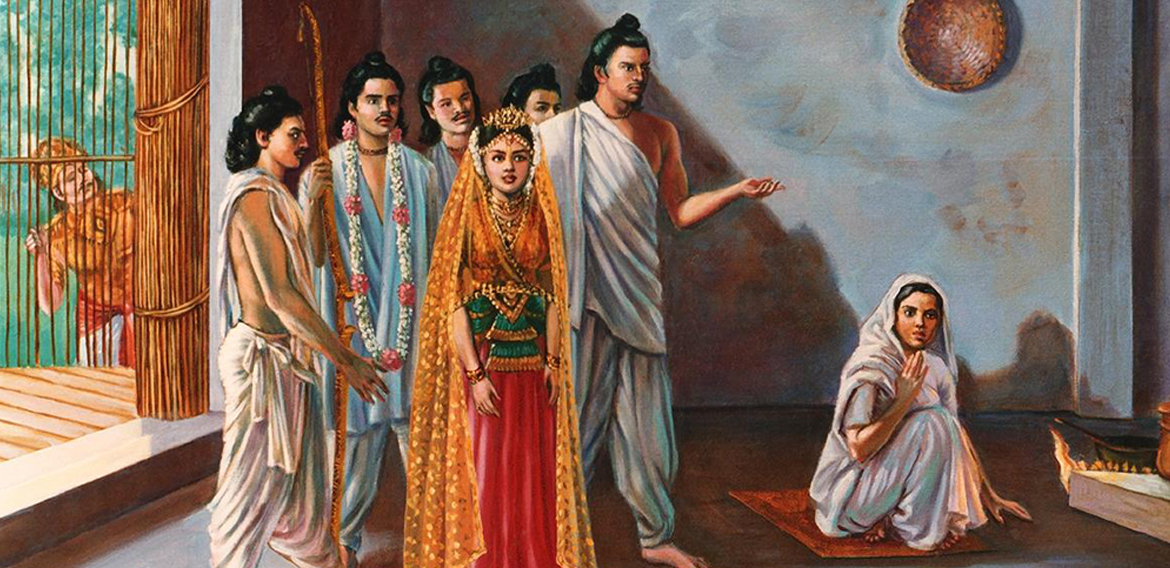
During the Kurukshetra war, Kunti was placed in a unique and painful situation. As the mother of the Pandavas, her heart naturally leaned toward her sons. Yet, having spent her life in Hastinapur under the guardianship of King Dhritarashtra and Queen Gandhari, Kunti shared familial bonds with the Kauravas as well. She was as much a mother figure to Duryodhana and his brothers as she was to Yudhishthira and his siblings.
Despite her personal grief and emotional anguish, Kunti did not openly take a side in the war. She remained in Hastinapur with Dhritarashtra and Gandhari, maintaining a certain emotional detachment from the battlefield. It was not a matter of indifference; rather, Kunti embodied the complexities of loyalty, duty, and diplomacy. She harbored love and concern for both the Pandavas and the Kauravas, making her position one of cautious neutrality. She chose the path of non-intervention, even though the fate of her sons was on the line.
This neutrality, however, did not mean passivity. In one of the key moments of the Mahabharata, Kunti approached her son Karna, born of a secret union, urging him to switch sides and join his brothers in battle. This plea was personal, not political, a mother’s cry to protect her own. Yet even here, her approach reflected an understanding of the complexity of alliances and the need for a delicate balance.
India’s Diplomatic Equilibrium: Neutrality in the Russia-Ukraine & Israel-Iran Conflicts
Just as Kunti straddled two worlds in the Kurukshetra war, India today finds itself maintaining a delicate balance between conflicting powers on the global stage. In the face of the Russia-Ukraine conflict and the ongoing tensions between Israel and Iran, India’s diplomatic posture has echoed Kunti’s neutrality—guided not by passivity but by strategic wisdom and pragmatism.
During the Russia-Ukraine war, India’s refusal to side entirely with either party has drawn both admiration and criticism. Historically, India has enjoyed a strong partnership with Russia, forged during the Cold War when both nations found mutual interests in counterbalancing Western hegemony. However, as a rising global power with growing ties to the West, India also shares significant diplomatic, economic, and defense relationships with Ukraine and other European nations.
India’s approach has been one of careful non-alignment, abstaining from UN resolutions condemning Russia while simultaneously providing humanitarian aid to Ukraine. Much like Kunti, India remains friendly with both sides—acknowledging the complexity of historical alliances with Russia while refusing to ignore the humanitarian crisis in Ukraine. India’s position, far from being indecisive, reflects a nuanced understanding of global power dynamics and the need for strategic autonomy.
Similarly, in the context of the Israel-Iran conflict, India’s diplomacy has been a balancing act between two important partners. While India has strong military and economic ties with Israel, it also maintains critical relationships with Iran, a key player in India’s energy security and regional strategy. India’s stance, again, is one of neutrality—supporting neither party in their military ambitions while ensuring that diplomatic and economic relations with both remain intact.
Much like Kunti, who maintained cordial relations with both the Pandavas and Kauravas while understanding the unique dilemmas each side faced, India’s foreign policy is shaped by pragmatism. India recognizes the necessity of diplomatic ties with diverse global players, understanding that taking an overt side in these conflicts could destabilize its own national interests and regional influence.
Strategic Neutrality: The Art of Walking the Middle Path
Kunti’s decision to remain neutral during the Kurukshetra war was not an abdication of responsibility but rather a reflection of her deep wisdom in navigating complex relationships. Her actions, or in some cases, her deliberate non-action, were driven by a desire to maintain peace and protect her family. India’s contemporary foreign policy mirrors this strategic neutrality. India has taken great care to avoid alienating either Russia or Ukraine, Israel or Iran, while quietly pursuing its long-term interests—stability in the region, energy security, and economic growth.
Neutrality does not necessarily mean a lack of principles. In Kunti’s case, her neutrality was informed by compassion and duty—qualities that continue to resonate in India’s diplomatic stance. Similarly, India’s decision to remain neutral in these global conflicts is driven not by a lack of moral compass but by an understanding of the broader implications of conflict. Neutrality allows India to maintain its strategic partnerships, avoid direct entanglement in wars, and preserve its standing as a key global player capable of engaging with all sides.
India’s abstention from conflict has also been a form of soft power. By not taking sides, India positions itself as a mediator, a potential peacebroker—much like Kunti, whose presence in Hastinapur represented the possibility of reconciliation, however faint, between the Pandavas and the Kauravas.
The Cost of Neutrality: Does It Come at a Price?
However, neutrality is not without its costs. Just as Kunti suffered emotionally from her inability to fully support her sons in the war, India’s neutral stance has invited criticism. In the eyes of some, neutrality can appear as moral ambiguity. Western powers have questioned India’s refusal to outright condemn Russia’s actions in Ukraine, while other nations may view India’s middle-ground diplomacy as lacking in decisiveness or principles.
Yet, it is crucial to understand that neutrality in war is not about choosing the path of least resistance but about navigating the path of most consequence. Kunti’s neutrality did not shield her from personal grief—she lost Karna and witnessed the decimation of her family. India, too, risks facing the unintended consequences of its neutral stance. Will neutrality serve as a bridge to peace, or will it distance India from key allies who demand more decisive action?
A Path Forward: Can Neutrality Still Foster Global Leadership?
As India continues to walk the tightrope of neutrality in these global conflicts, the question remains: how long can this strategy of non-alignment hold? Will India’s pragmatic neutrality evolve into a form of global leadership, or will it face increasing pressure to take sides in a polarized world? Is neutrality a reflection of India’s strategic foresight, or is it a position that may eventually leave India isolated in the face of shifting global power structures?
Much like Kunti’s stand during the Kurukshetra war, India’s neutrality is a reflection of both wisdom and limitation. It is a choice that has allowed the nation to maintain relationships with conflicting sides, but it is also a stance that raises questions about long-term strategy. As the world faces the unpredictability of future wars and alliances, the wisdom of neutrality—both Kunti’s and India’s—remains under scrutiny.
In the grand scheme of global affairs, is neutrality sustainable? Can India, like Kunti, find a way to protect its interests while staying true to its moral foundations? Or will the forces of history demand that even the most neutral among us must eventually choose a side?
© Case Veda. All Rights Reserved.