REDISCOVERING THE ART OF LEADERSHIP: LESSONS FROM INDIA’S TIMELESS WISDOM
What does it take to lead in a world that values creativity yet punishes mediocrity unsparingly? Can we unearth an approach to leadership that transcends time, that is rooted in both individual excellence and societal good?
As we navigate the pressures of our hyper-connected, fast-paced, and competitive world, the search for authentic leadership grows urgent. Leaders today are expected to bring solutions to complex global problems, drive innovation, and remain resilient in the face of adversity. But as we turn to self-help books, seminars, and coaching in the search for guidance, one might wonder: could a time-honored model of leadership, one grounded in human values and civilizational wisdom, hold the key to this search?
Our ancient Indian knowledge systems present a unique approach to leadership that is not only strategic and visionary but also deeply ethical and holistic. They teach us that real leadership is not just about achieving success or exercising power. Instead, it is about integrity, self-mastery, and the willingness to serve a higher purpose — a path that enables the leader to inspire others, foster unity, and bring lasting value to society.
The Wisdom of the Ṛiṣhis: Power in Words, Truth in Action
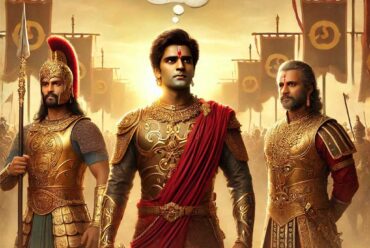
In the 8th century, Bhavabhūti made a profound claim: “The words of the ṛiṣhis (sages) become the truth.” He expressed a belief that these enlightened sages had such mastery over knowledge and intent that their spoken word itself shaped reality. For today’s leaders, Bhavabhūti’s statement offers a remarkable insight. A true leader does not merely reflect the environment; he or she creates a new reality through vision, conviction, and a commitment to ideals.
For those who aspire to leadership today, the question becomes: do we have the mental and moral rigor to become leaders whose words and actions embody truth? Leadership of this kind requires a profound understanding of the human psyche, the ability to read situations deeply, and the courage to act with purpose even in the face of challenges. It requires, as Śri Aurobindo exhorted, an “impossible ideal,” one that pushes us beyond mere pragmatism toward perfection.
The Timeless Role of the King: Shaping Time & Society
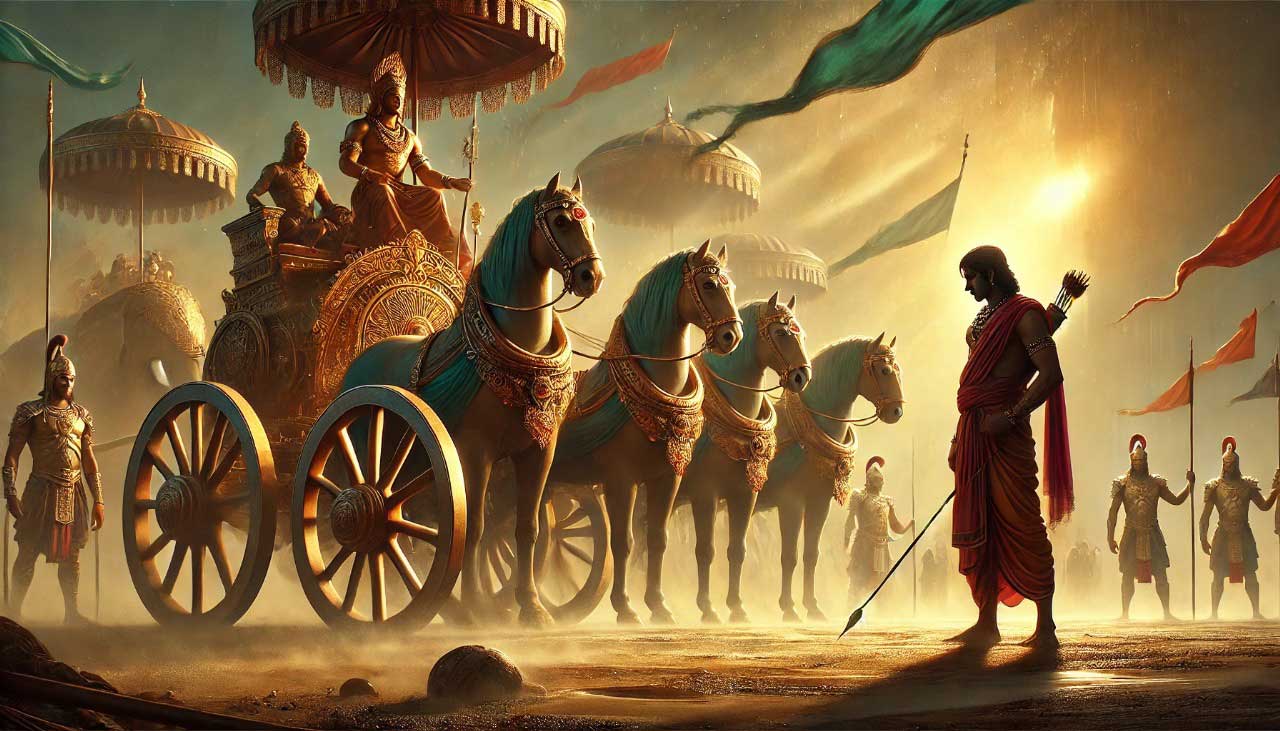
The Manusmṛti, one of India’s ancient legal and philosophical texts, describes the king as the “cycle of time” itself — an agent whose actions shape the destiny of an era. This metaphor positions the leader as a transformative force, someone who doesn’t simply adapt to trends but creates lasting change. In a world where leaders are often caught up in the demands of short-term results, this concept asks us to look further, to understand that true leadership means setting the course for generations to come.
For modern leaders, the lesson here is clear: it’s not just about meeting today’s demands. It’s about having a vision that considers the larger impact on society and the future. In our globalized environment, where political, economic, and environmental challenges require multifaceted solutions, the role of the leader becomes even more crucial. Leaders who embrace the “multi-dimensional nature of time” understand that their actions, policies, and values resonate far beyond their immediate context, setting the course for others to follow.
Learning from the Greatest Archetypes: Rāma, Kṛiṣhṇa, & Sarasvatī
Indian tradition offers a rich tapestry of idealized figures whose qualities continue to inspire those seeking wisdom. Rāma, the embodiment of dharma, teaches us the values of integrity, loyalty, and courage. He exemplifies what it means to lead with unwavering resolve and uphold commitments even when it demands great personal sacrifice. A leader inspired by Rāma learns to balance compassion with duty, standing firm in principles without being swayed by personal gains.
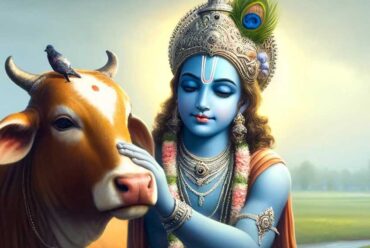
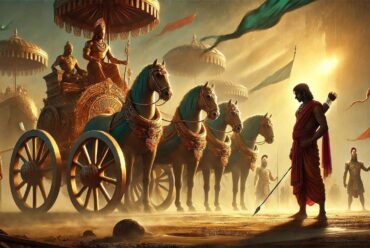
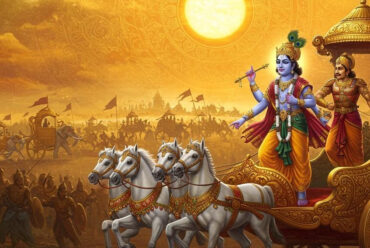
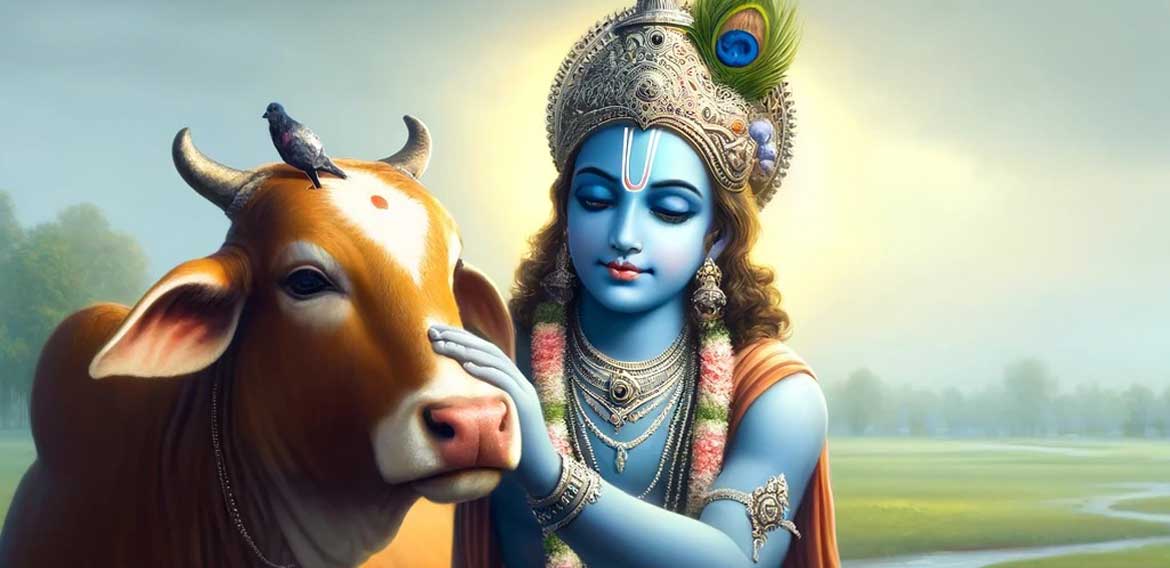
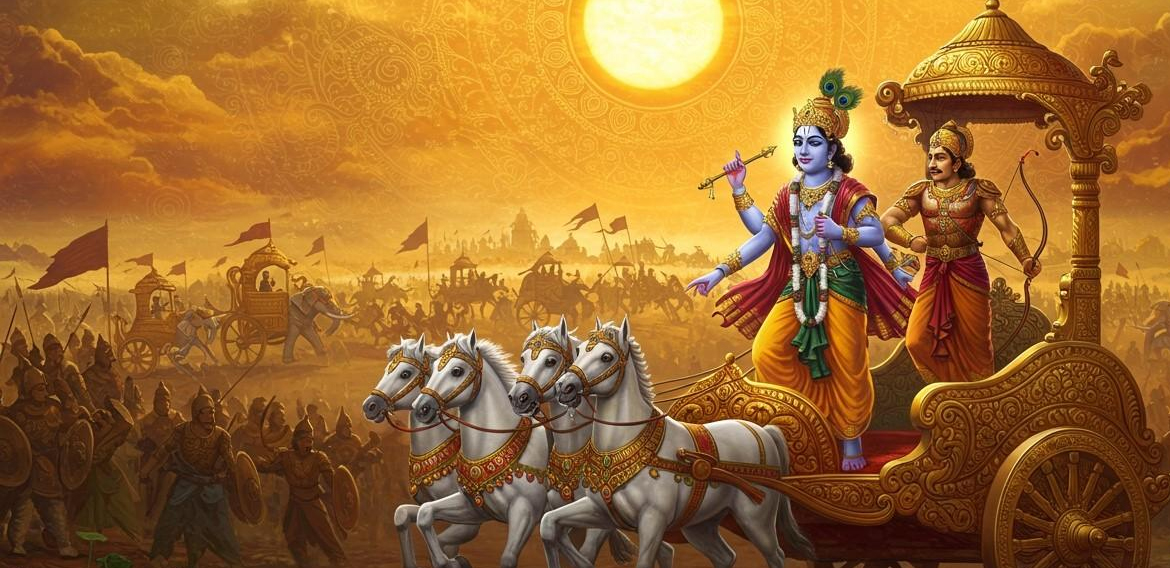
Then there is Kṛiṣhṇa, the strategist and diplomat, whose charisma and intelligence shaped the Mahābhārata. Kṛiṣhṇa’s leadership teaches adaptability, the importance of calculated decision-making, and the art of influencing people with a smile rather than authority alone. To lead in today’s complex world, Kṛiṣhṇa reminds us to blend intelligence with diplomacy, to approach challenges with both heart and mind.
Meanwhile, Sarasvatī, the goddess of knowledge, underscores the importance of intellectual clarity, wisdom, and continuous learning. In a world where leaders are expected to be well-versed across multiple disciplines — business, technology, philosophy, and human psychology — Sarasvatī’s influence is indispensable. She represents the power of medhā śakti, the faculty to absorb, discern, and apply knowledge effectively.
Modern Leadership Requires Complex Thinking: Drawing from Multiple Disciplines
Our age demands a type of leadership that goes beyond conventional management skills. The complexity of modern challenges requires what has come to be known as “complexity thinking” — the ability to synthesize insights from philosophy, psychology, design, strategy, and digital technology. The wisdom of our tradition — combining spirituality with worldly understanding — offers a guiding light in this regard.
A successful leader must not only inspire but also be able to bring cross-functional teams together, leveraging diverse perspectives to craft innovative solutions. Jim Collins, a renowned business thinker, describes this as Level-5 leadership — an approach that combines professional will with personal humility. Leaders of this caliber foster an environment of trust, cultivate collaboration, and create a culture where creativity thrives. In short, they go beyond managing to become facilitators of greatness.
Leadership as a Path to Personal & Collective Fulfillment
What is the ultimate aim of leadership? Is it simply to command, to accumulate wealth, or to achieve personal recognition? India’s civilizational wisdom reminds us that leadership, at its highest level, is a path to self-realization and the upliftment of society. It asks us to transcend our narrow self-interest and engage in activities that serve the larger good.
In the Bhagavad Gītā, Kṛiṣhṇa instructs, “Whatever actions great persons perform, common people follow. Whatever standards they set, all the world pursues.” True leadership thus involves becoming a beacon for others, embodying values that resonate not just in actions but in one’s character. The ideal leader draws others toward the light, inspiring them to achieve their own potential. Leadership in this sense is not a destination but a journey of continuous learning, self-examination, and growth.
An Invitation to Reimagine & Reclaim Leadership
As we move into an era of unprecedented challenges, the need for grounded, visionary, and ethical leaders is more pressing than ever. The future demands leaders who are not only knowledgeable but also wise, who can balance technological prowess with timeless values, and who can lead others with empathy and integrity.
Are we willing to rise to this challenge? Can we see ourselves as contributors and creators rather than mere consumers? Are we ready to shed our limitations, to find strength in our cultural roots, and to act with the courage and clarity that true leadership demands?
The answers lie within, in the depth of our ancient texts, our cultural heritage, and our enduring ideals. By drawing upon this vast reservoir of knowledge, we have the power to cultivate leaders who can not only steer their organizations but also inspire humanity to reach its highest potential. Ultimately, the path to effective leadership is one that brings out the “perfection inherent in man.” Let us remember that leadership is not just about leading — it is about lifting, learning, and leaving a legacy that transcends time.
© Case Veda. All Rights Reserved.