18 DIPLOMATIC MASTERSTROKES FROM LORD KRISHNA: TIMELESS LESSONS FOR MODERN DIPLOMACY
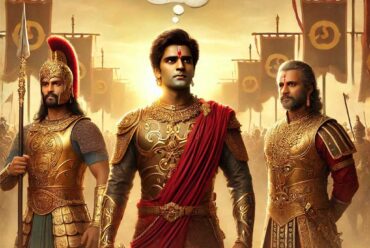
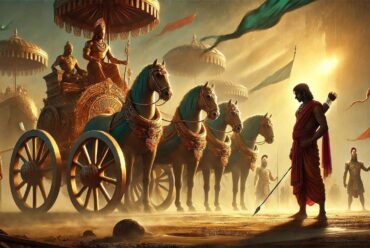
When faced with challenges that test a nation’s stability or peace, where do modern diplomats turn for inspiration? Lord Krishna, a central figure in the Mahabharata and the architect of the Kurukshetra War’s complex strategies, remains a master of diplomacy. His tactics reveal the depths of understanding, timing, and ethical balance required to lead and protect. How did he mediate? How did he turn even setbacks into opportunities? Let’s delve into 18 lessons that today’s diplomats can apply to navigate complex global landscapes with wisdom and precision.
- Strategic Patience: Knowing When to Act
Lesson: Krishna displayed immense patience, carefully timing each move during the Pandavas’ exile and return.
Modern Application: Diplomatic patience, or “waiting for the right moment,” is key in negotiations, especially in international peace talks, where timing can secure maximum impact.
- Unity Through Shared Vision
Lesson: Krishna unified the Pandavas under a singular vision, urging them to reclaim their rightful kingdom not for power but justice.
Modern Application: Leaders today can unify diverse nations by establishing common ground and mutual goals, as seen in alliances like NATO or climate initiatives.
- Clear Communication: Diplomatic Transparency
Lesson: Krishna communicated intentions transparently, whether advising Arjuna or negotiating with Duryodhana.
Modern Application: Transparent communication builds trust, even between rivals. Diplomats gain credibility when motives and goals are clearly expressed in peace talks.
- The Power of Alliances
Lesson: Krishna understood the strength in alliances, aligning powerful allies like the Panchalas and Matsyas with the Pandavas.
Modern Application: Diplomatic alliances, such as the United Nations coalition on humanitarian goals, can exert substantial influence and bolster global initiatives.
- Negotiation Without Compromise on Principles
Lesson: Krishna negotiated with Duryodhana for peace but did not compromise on the Pandavas’ right to justice.
Modern Application: When mediating, diplomats can firmly hold moral ground, as seen when advocating for human rights in global policies.
- Cultural & Situational Sensitivity
Lesson: Krishna always adapted his approach, respectful of the customs, values, and politics of each region and leader.
Modern Application: Sensitivity to cultural norms is crucial in diplomacy, helping leaders navigate international relations with nuanced respect.
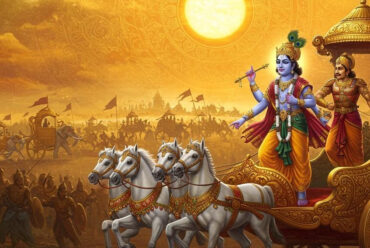
- The Art of Persuasion
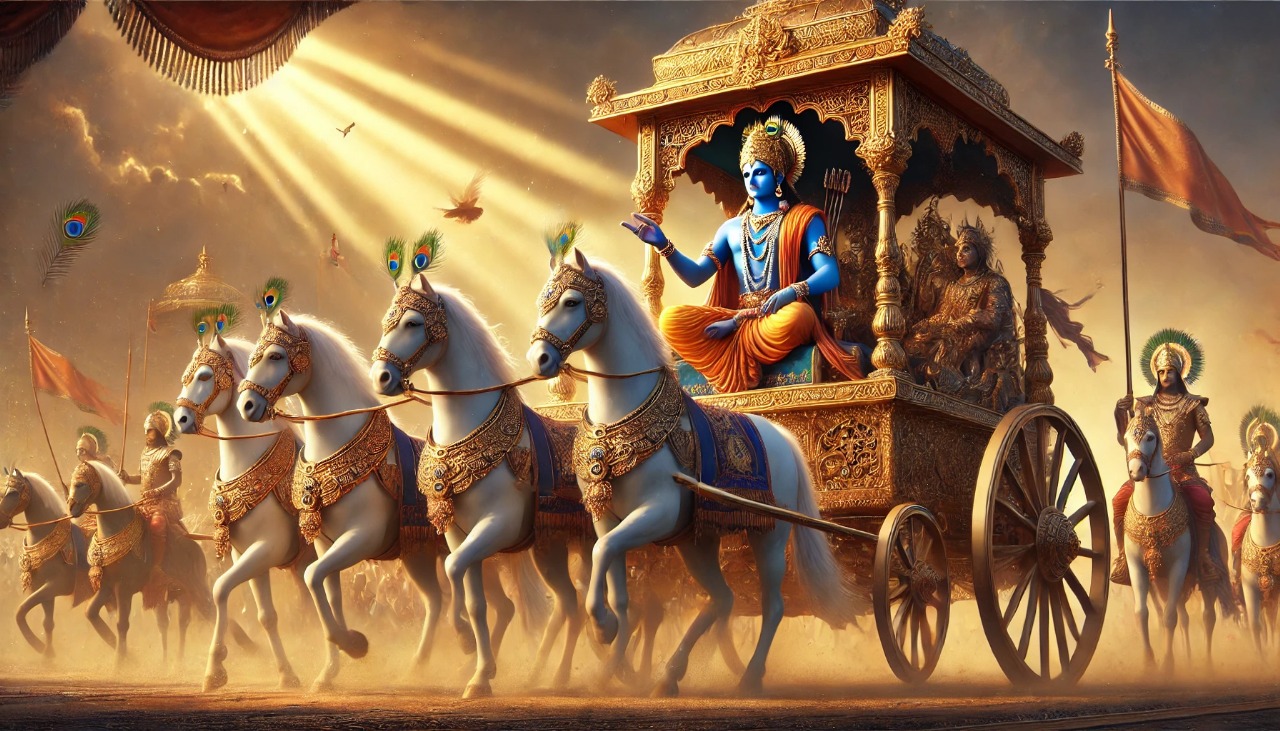
Lesson: Krishna’s dialogue with Arjuna before the battle demonstrates his skill in persuasion, enabling Arjuna to see his purpose.
Modern Application: Persuasive communication can help modern leaders bring reluctant parties on board with peace accords, economic partnerships, or humanitarian missions.
- Preparedness for the Unexpected
Lesson: Krishna was always ready with contingencies, anticipating moves by foes like Shakuni.
Modern Application: Contingency planning in diplomacy, such as preparing sanctions or peacekeeping forces, is essential in crisis management.
- Ethics Over Expediency
Lesson: Krishna emphasized ethical conduct, even in battle, maintaining a moral high ground.
Modern Application: Diplomats today should prioritize ethical considerations, fostering sustainable peace, rather than temporary fixes.
- Use of Soft Power
Lesson: Krishna’s wisdom and discourse often dissuaded violence, showcasing the efficacy of soft power.
Modern Application: Modern diplomacy often relies on soft power, such as cultural influence or economic incentives, to achieve strategic goals without conflict.
- Embracing Sacrifice for a Greater Good
Lesson: Krishna encouraged the Pandavas to sacrifice personal desires to uphold dharma.
Modern Application: Sometimes, global leaders must prioritize long-term global welfare over immediate national gain, as in environmental treaties.
- Direct Conflict Only When Necessary
Lesson: Krishna avoided unnecessary conflict, resorting to war only as a last measure.
Modern Application: Diplomats today can pursue alternative dispute resolutions before considering military intervention, echoing strategies seen in UN peacekeeping efforts.
- Clarity in Roles & Responsibilities
Lesson: Krishna defined each warrior’s role in the Pandava army, preventing overlap and confusion.
Modern Application: Clear delineation of roles in diplomatic negotiations reduces redundancy and ensures focused efforts in international missions.
- Balance of Emotion & Logic
Lesson: Krishna balanced empathy with logical guidance, particularly when Arjuna was hesitant to fight.
Modern Application: Diplomats must often mediate between highly emotional conflicts, where a balance of empathy and logic is crucial, as in Israel-Palestine discussions.
- Role of a Neutral Mediator
Lesson: Krishna offered himself as a neutral party between the Kauravas and Pandavas.
Modern Application: Neutral mediation, without biases, has allowed countries like Switzerland to act as peace brokers in international disputes.
- Compromise as a Peace-Building Tool
Lesson: Krishna was willing to compromise on land distribution if it could prevent war.
Modern Application: Diplomatic compromises can lead to mutually beneficial agreements, such as trade pacts or arms reduction treaties, that prevent escalation.
- Empowering Leaders Rather Than Dominating
Lesson: Krishna guided Arjuna, empowering him to lead without micromanaging his actions.
Modern Application: Effective leaders in diplomacy empower others, nurturing capable allies rather than asserting undue dominance.
- Long-Term Vision Over Short-Term Gains
Lesson: Krishna’s guidance was always aligned with the future of dharma, not just immediate victory.
Modern Application: Diplomats can prioritize sustainable solutions over transient benefits, as in climate agreements aimed at future generations.
Final Thoughts: Diplomacy Beyond Victory
Can today’s diplomats rise above political constraints to embrace Krishna’s timeless diplomatic wisdom? In a world facing issues from environmental crises to ideological warfare, can they wield alliances, patience, and moral clarity as effectively as Krishna did on the fields of Kurukshetra?
© Case Veda. All Rights Reserved.